


Coordinating a home renovation involving multiple contractors can be challenging. From structural upgrades and roofing to plumbing and finishing touches, a renovation involves a complex sequence of tasks that must be carefully scheduled. Miscommunication or poor timing can result in delays, cost overruns, or compromised quality.
Effective coordination requires thoughtful planning, clear communication, and a well-structured project timeline. Homeowners who take the time to organize contractors and define responsibilities reduce stress, ensure work quality, and protect their investment. This guide provides actionable strategies for managing multiple contractors, helping you navigate each stage of a home upgrade efficiently and seamlessly.
1. Assess Your Home and Define Project Goals

Before hiring any contractor, it is vital to conduct a comprehensive assessment of your home’s current condition and clearly define your renovation goals. This initial step is foundational, as it allows you to identify critical repairs, prioritize improvements, and make informed decisions about where to allocate your budget. Without a thorough evaluation, you risk undertaking projects out of sequence, overspending, or overlooking issues that could compromise your renovation’s success.
Steps to evaluate your home:
-
Conduct a detailed interior inspection: Check ceilings, walls, and floors for cracks, water stains, or uneven surfaces. Inspect doors and windows for drafts, sticking, or deterioration. Examine basements, crawl spaces, and attics for signs of moisture, mold, or pests. Take note of outdated or inefficient systems that may require upgrades, such as HVAC units, electrical panels, or plumbing fixtures.
-
Perform an exterior review: Assess the roof, gutters, siding, and foundation for wear or damage. Examine concrete surfaces like driveways, patios, and walkways for cracks or settling. Inspect fencing, decks, and masonry for rot, loose fasteners, or structural weaknesses. Observe grading and drainage patterns to ensure water flows away from the house.
-
Document age and condition of key components: Keep a record of when critical systems and materials were installed or last serviced, including the roof, windows, siding, heating systems, plumbing, electrical systems, and concrete structures. This documentation helps you identify which items require immediate attention versus those that can be scheduled for future upgrades.
-
Identify renovation goals: Determine the primary purpose of your renovation. Are you expanding living space with an addition, enhancing energy efficiency with new windows or insulation, upgrading the exterior for curb appeal, or modernizing mechanical systems? Clarifying your objectives allows you to prioritize work that maximizes value, comfort, and functionality.
Professional guidance:
-
Engage excavating companies: A professional excavation team can assess grading, drainage, and foundation conditions. They can identify potential issues such as water pooling near the foundation or soil instability that may affect structural projects. Proper site preparation is critical for both exterior upgrades and home additions, ensuring the longevity of your renovation.
-
Consult a masonry contractor: Experienced masonry professionals can inspect brick, stone, and concrete surfaces for cracks, settling, or deterioration. They can recommend repairs, reinforcement, or improvements that enhance structural integrity and aesthetic appeal. Early input from a masonry contractor can prevent future damage and reduce costly repairs down the line.
Tips for goal-setting:
-
Prioritize projects by urgency and impact: Address safety-critical repairs and structural issues first, such as roof leaks, foundation cracks, or electrical hazards. Next, focus on improvements that enhance functionality, energy efficiency, or curb appeal.
-
Consider long-term maintenance and resale value: Choose materials and systems that are durable and low-maintenance, and make decisions that will positively impact your home’s resale potential. For example, durable siding or energy-efficient windows can add significant value over time.
-
Keep a detailed checklist: Document all identified issues, priorities, and desired improvements. Share this checklist with your contractors to ensure everyone understands your objectives, minimizing miscommunication and helping maintain project focus.
By thoroughly assessing your home and defining your renovation goals, you create a structured roadmap that guides every decision, from contractor selection to project sequencing. This proactive approach reduces the risk of unexpected problems, ensures your budget is used wisely, and sets the stage for a successful, well-coordinated renovation.
2. Create a Comprehensive Project Timeline

A well-structured project timeline is one of the most important tools for coordinating multiple contractors. It establishes clear expectations, ensures work happens in the correct order, and minimizes downtime between phases. Without a detailed timeline, contractors may arrive too early, overlap in ways that cause damage, or delay the entire renovation due to poor sequencing. Careful scheduling saves time, controls costs, and reduces the need to redo completed work.
Steps for creating an effective timeline:
-
Break the renovation into clear phases: Divide the project into logical stages such as structural work, exterior upgrades, system installations, and finishing touches. Structural and foundational tasks should always come first, followed by weatherproofing, mechanical systems, and cosmetic work. This phased approach makes the project easier to manage and prevents contractors from working at cross purposes.
-
Account for material delivery and lead times: Many renovation delays occur because materials are not available when needed. Custom windows, roofing materials, cabinetry, or specialty finishes may take weeks to arrive. Confirm delivery timelines in advance and schedule labor accordingly so contractors are not waiting on supplies.
-
Factor in weather and seasonal constraints: Exterior work is especially vulnerable to weather disruptions. Rain, snow, or extreme heat can delay roofing, concrete, or masonry work. Build flexibility into the schedule during seasons with unpredictable conditions.
-
Identify task dependencies: Some work cannot begin until other tasks are completed. For example, concrete foundation work must be finished and cured before masonry or landscaping begins, and electrical or plumbing rough-ins must be completed before walls are closed or painted. Mapping these dependencies prevents bottlenecks and rework.
Scheduling roofing work:
-
Plan roofing early: Engage roofing companies at the start of the project to conduct inspections, identify repairs, or schedule replacement if needed. Roofing should be addressed before most exterior or interior upgrades to protect the home from water damage.
-
Coordinate exterior sequencing: Work closely with local roofers to ensure roofing is completed before siding installation, window replacement, or exterior painting. This prevents damage to newly installed materials and ensures proper flashing and sealing at transition points.
Additional timeline management tips:
-
Build buffer time into each phase: Even the best-planned projects encounter unexpected delays, such as hidden damage or inspection issues. Adding buffer days or weeks prevents minor setbacks from derailing the entire renovation.
-
Communicate timelines clearly: Share the master schedule with every contractor and confirm start and end dates in writing. Clear communication helps contractors plan their crews and avoids last-minute conflicts.
-
Review and update the timeline regularly: As work progresses, revisit the schedule to reflect completed tasks, delays, or changes in scope. Adjust future phases as needed to keep the project moving forward efficiently.
-
Use visual tools: Gantt charts, shared calendars, or project management apps can help you track progress and quickly identify conflicts or delays.
A comprehensive and flexible project timeline ensures that each contractor knows exactly when to begin and finish their work. By sequencing tasks correctly, planning for delays, and maintaining open communication, you keep the renovation organized, minimize stress, and greatly improve the chances of completing the project on time and within budget.
3. Hire the Right Professionals
Selecting reliable, skilled contractors is essential for a successful home upgrade. Hiring local experts familiar with building codes and suppliers can prevent mistakes and ensure high-quality work.
Tips for vetting contractors:
-
Verify licenses, insurance, and professional certifications.
-
Check references and review past projects similar to yours.
-
Obtain multiple quotes to compare pricing and services.
Specialized contractor considerations:
-
Engage electrical companies for wiring, lighting, or panel upgrades to ensure safety and compliance.
-
Hire a local plumber for water system inspections, fixture replacements, or piping upgrades.
Best practices:
-
Conduct interviews or site visits to assess work quality and professionalism.
-
Confirm that each contractor can work within your timeline and budget.
By hiring experienced professionals, you minimize risks, improve project quality, and avoid unnecessary delays.
4. Coordinate Structural and Foundation Work
Structural projects form the backbone of your renovation. Excavation, foundation, and concrete work must be completed before cosmetic upgrades or finishing touches.
Key tasks:
-
Assess the site for grading and drainage issues. Improper drainage can damage foundations and landscaping.
-
Evaluate the foundation and structural integrity, addressing cracks, settling, or other damage.
-
Plan for concrete pouring for driveways, patios, or footings.
Professional support:
-
Hire excavating companies to handle site clearing, grading, and foundation preparation.
-
Engage a concrete contractor to pour foundations, slabs, or patios with precise measurements and proper curing techniques.
Scheduling tips:
-
Complete excavation and concrete work early to allow proper curing before subsequent construction.
-
Coordinate structural work with roofing, masonry, and plumbing to avoid interference.
Proper sequencing ensures the foundation is stable, drainage is correct, and other contractors can complete their work efficiently.
5. Plan Exterior Renovations and Weather Protection

Exterior improvements enhance curb appeal and protect your home from the elements. Timing these projects correctly is critical to avoid damage to newly completed work.
Tasks to consider:
-
Inspect and repair roofing, siding, and exterior walls.
-
Install or repair fences, gates, or outdoor structures.
-
Ensure the property is shielded from rain, snow, or debris during construction.
Professional guidance:
-
Schedule work with local roofers to handle repairs or replacements before siding or painting.
-
Hire a fence installation team to secure the property perimeter and provide privacy once exterior renovations are completed.
Tips for coordination:
-
Protect unfinished exterior areas with tarps or temporary coverings.
-
Ensure contractors are aware of sequencing to avoid accidental damage to completed structures.
Coordinating exterior work carefully preserves the home’s structural integrity and aesthetic appeal while minimizing delays.
6. Coordinate Interior Upgrades and System Improvements
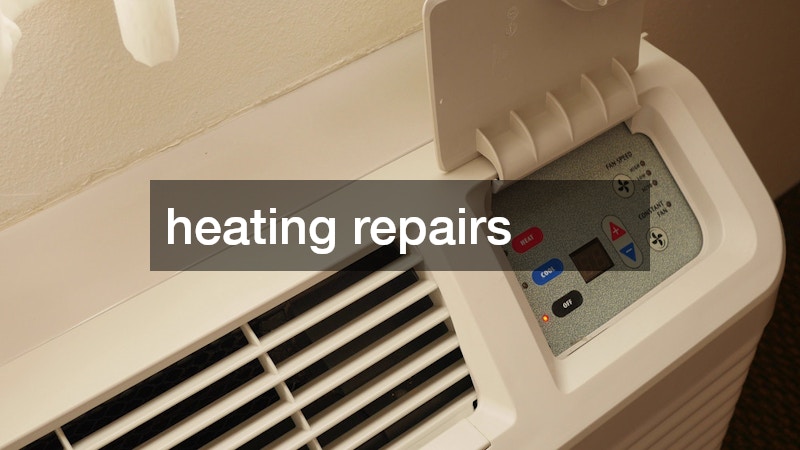
Interior systems, including electrical, plumbing, and heating, should be completed before finishing surfaces such as floors, walls, or ceilings.
Key tasks:
-
Upgrade electrical panels, wiring, or lighting systems.
-
Repair or replace plumbing systems, including pipes, fixtures, or water heaters.
-
Conduct heating repairs or HVAC system upgrades to improve efficiency.
Professional support:
-
Hire electrical companies to handle complex wiring projects safely and up to code.
-
Engage heating repairs specialists to maintain or upgrade your HVAC system.
Tips for sequencing:
-
Complete all mechanical and utility upgrades before drywall installation or painting.
-
Coordinate between plumbing and electrical teams to prevent overlapping work that could damage completed areas.
-
Inspect completed work before covering walls or floors to catch issues early.
Properly scheduling interior system work ensures functionality, safety, and a smoother finish for later stages.
7. Plan for Painting and Finishing Touches
Once structural and system work is complete, focus on interior and exterior finishing touches such as painting, trim work, and masonry repairs.
Tasks and tips:
-
Prepare surfaces by patching holes, sanding, and cleaning.
-
Select paints, finishes, and materials that complement the overall design and withstand wear and tear.
-
Coordinate touch-ups after other work is completed to ensure pristine results.
Professional guidance:
-
Hire residential painters for quality interior and exterior paint work with proper preparation and finish.
-
Consult a masonry contractor for any exterior stone, brick, or concrete finishes before painting to prevent damage or staining.
Additional tips:
-
Protect completed flooring and fixtures during painting.
-
Schedule painters after dust-heavy construction tasks are finished for a cleaner result.
Proper sequencing of painting and finishing ensures a polished final appearance and prevents rework.
8. Monitor Progress and Maintain Communication
Regular monitoring and communication are critical to keeping all contractors on schedule and ensuring quality.
Tips for monitoring:
-
Conduct weekly walkthroughs to review completed work and identify any issues.
-
Maintain a shared log or digital project management tool for all contractors.
-
Document materials used, inspections completed, and any adjustments to the plan.
Professional coordination:
-
Oversee fence installation to confirm alignment with landscaping and outdoor design.
-
Check work from a local plumber to ensure piping, fixtures, and water flow meet standards.
Communication best practices:
-
Hold progress meetings with all key contractors at major milestones.
-
Encourage open discussion of potential delays or conflicts to resolve issues quickly.
Regular oversight ensures the project stays on schedule, meets quality standards, and avoids miscommunication.
9. Budget Management and Contingency Planning
Managing finances effectively is essential when multiple contractors are involved. Unexpected costs can arise from delays, repairs, or material shortages.
Tips for budgeting:
-
Break the project into phases with separate allocations for each contractor.
-
Include contingencies for unforeseen repairs or weather-related delays.
-
Track expenses regularly to avoid overspending.
Keyword integration:
-
Allocate funds for critical infrastructure like roofing work with roofing companies.
-
Reserve part of the budget for concrete work with a concrete contractor, as foundational elements are often costly and essential.
Best practices:
-
Avoid paying large upfront fees; schedule payments based on milestones.
-
Keep detailed records of invoices, contracts, and receipts for accountability.
Careful budgeting and contingency planning prevent financial surprises and allow for smoother project completion.
10. Final Inspections and Project Wrap-Up
Once all work is complete, a thorough final inspection ensures quality and compliance with building codes.
Steps to finalize:
-
Conduct a detailed walkthrough to check each area of the renovation.
-
Ensure punch lists are completed, including touch-ups, minor repairs, or adjustments.
-
Confirm that all systems—plumbing, electrical, HVAC, roofing—are functional and meet safety standards.
Professional checks:
-
Verify roofing work with local roofers to ensure proper installation and durability.
-
Inspect paint finishes with residential painters for coverage, consistency, and longevity.
Post-completion planning:
-
Maintain a record of warranties, contractor contacts, and maintenance schedules.
-
Schedule periodic inspections for roofing, plumbing, or electrical systems to prolong their lifespan.
Final inspections ensure the renovation meets expectations, protects your investment, and provides peace of mind.
Coordinating multiple contractors for a home renovation requires careful planning, scheduling, and ongoing communication. By assessing your home, defining clear goals, sequencing projects, and hiring reliable professionals, you can avoid delays, cost overruns, and quality issues.
Effective coordination—from excavation and roofing to plumbing, heating, and finishing touches—ensures a seamless renovation. Regular monitoring, budgeting, and final inspections protect your investment and deliver a home upgrade that is functional, safe, and visually appealing. Strategic planning and proactive communication are the keys to a successful, stress-free renovation experience.